
Flood Situation in Assam
Assam Floods – 2026
Flood Situation in Assam
Assam Floods – 2026
The floods in Assam in 2026 have been devastating, marking one of the most severe natural disasters to affect the state in recent years. The catastrophic flooding has caused widespread destruction, severely affecting millions of people, infrastructure, agriculture, livestock, and the environment. More than 100 people have reportedly lost their lives, while over 5 million people across 28 districts have been affected. More than 48,748 hectares of agricultural land have been submerged, causing significant losses to farmers and threatening food security and livelihoods. More than 3,000 villages have been inundated, affecting over 1.6 million domestic animals and livestock. The severity of the flooding was particularly concerning because much of the devastation occurred despite relatively limited rainfall within Assam itself. The flooding was reportedly influenced by cloudbursts and extreme rainfall in neighbouring Nagaland and other northeastern states, which caused large volumes of water to flow downstream into Assam. Deforestation, rapid human settlement, and the heavy movement of silt and sediment have also contributed to the worsening of flood conditions. The accumulation of sediment has made riverbeds shallower, reducing the capacity of rivers to carry excess water and increasing the likelihood of flooding. The Brahmaputra River and its tributaries have overflowed at several locations, with water levels rising significantly above normal levels. Several embankments have been breached, while floodwaters have damaged or washed away roads, bridges, homes, agricultural land, and other critical infrastructure. The continued rise of major rivers has further increased the risk to communities living in low-lying and riverine areas. Despite ongoing rescue, evacuation, and relief operations, the situation remains extremely challenging. Continued rainfall in neighbouring states has contributed to sustained inflows into Assam's river systems, while water levels in several major rivers remain dangerously high. The scale and persistence of the disaster highlight the urgent need for stronger and more comprehensive disaster preparedness, early-warning systems, flood-resilient infrastructure, and long-term mitigation strategies. The extensive damage to roads, bridges, agricultural land, homes, and livestock is expected to have significant and long-lasting economic consequences for affected communities. Many families have lost their homes, sources of income, crops, and livestock, leaving them highly vulnerable even after the floodwaters recede. Long-term recovery will therefore require not only immediate humanitarian assistance but also livelihood restoration, reconstruction of essential infrastructure, health and sanitation support, and strengthened community-based disaster preparedness. The experiences of Assam in 2026 demonstrate the growing need for a comprehensive, long-term approach to disaster risk reduction. Immediate relief and rescue operations remain essential during emergencies, but sustainable recovery must also focus on strengthening community resilience, protecting livelihoods, improving early-warning and evacuation systems, developing flood-resilient infrastructure, restoring damaged ecosystems, and ensuring effective coordination among government agencies, humanitarian organizations, and local communities. Such measures are essential to reduce the impact of future floods and protect vulnerable populations from recurring climate- and weather-related disasters.
Flood-Affected Areas
Photographs from flood-affected areas and communities.

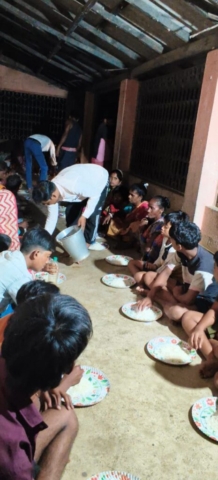
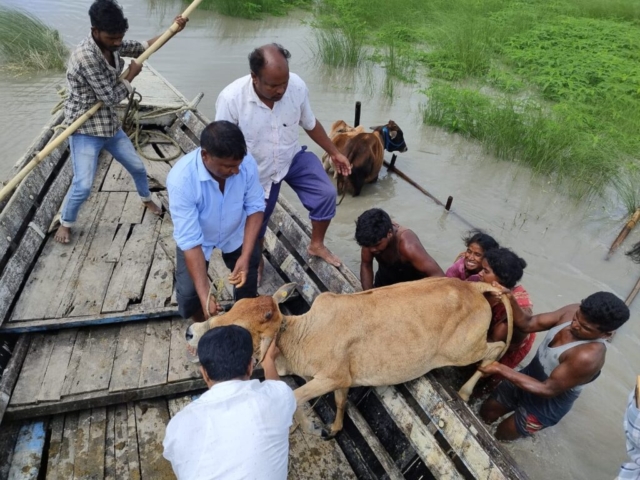
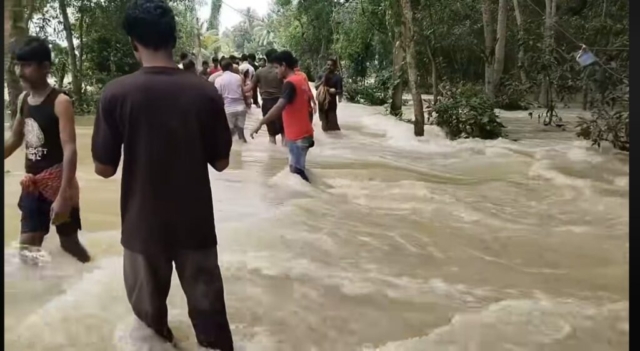

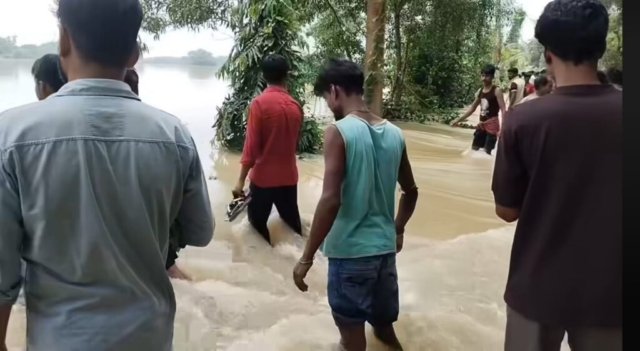
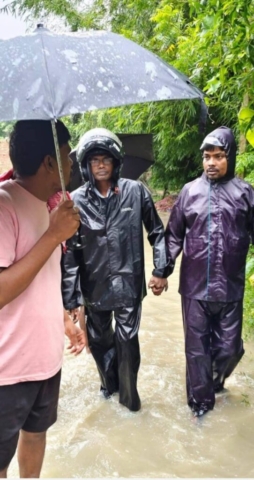
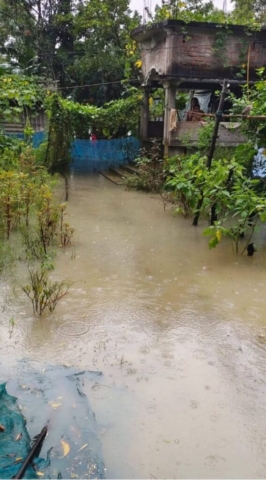
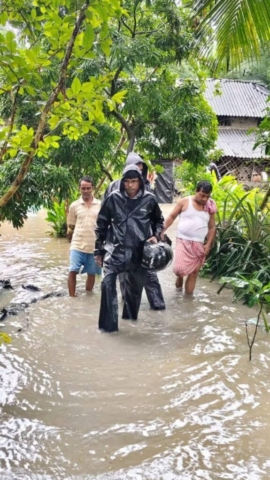
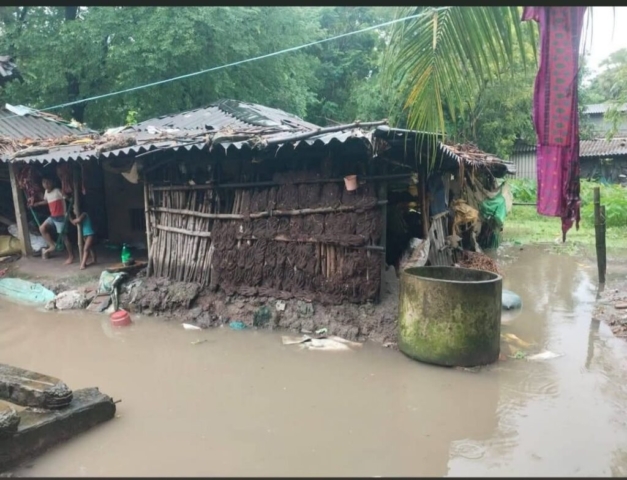
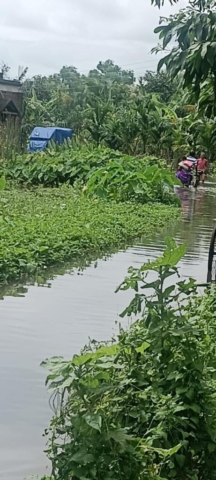
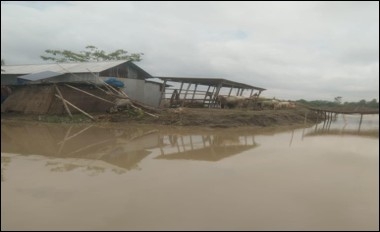
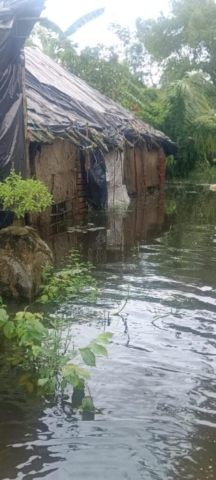
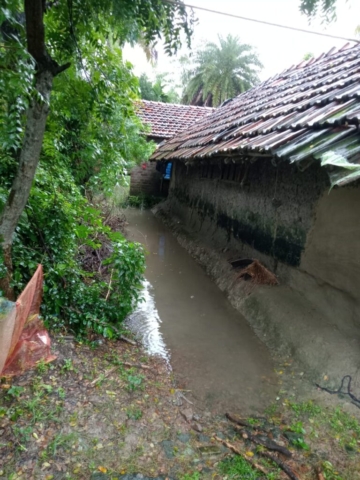
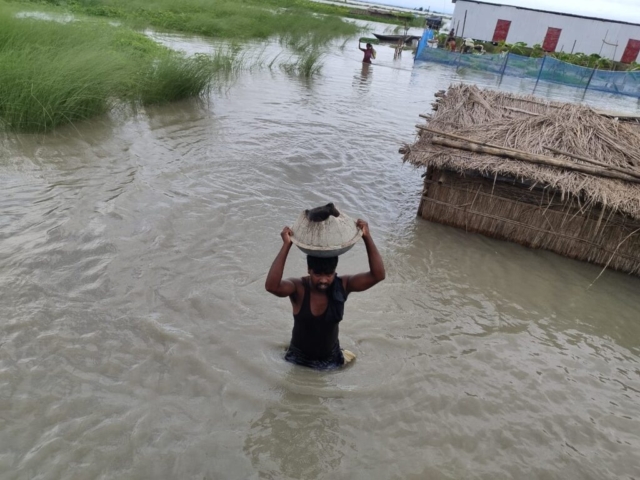
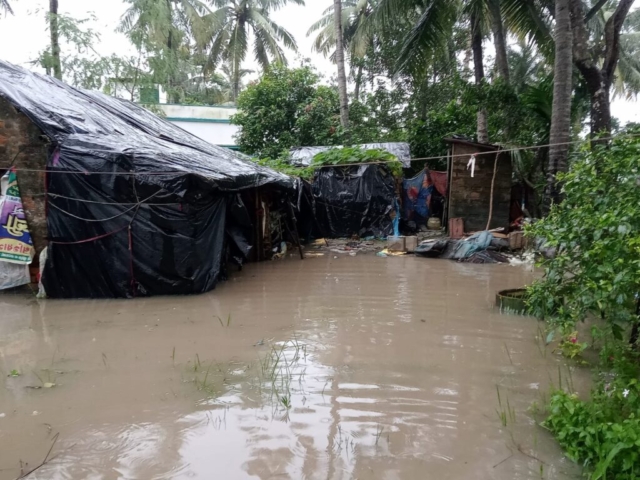
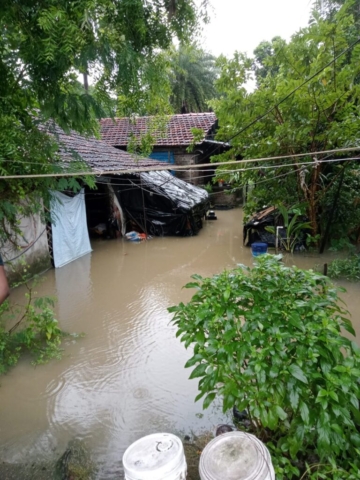
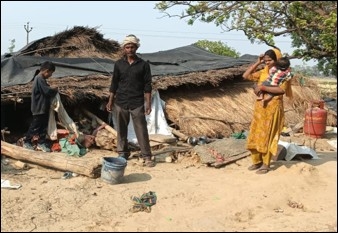
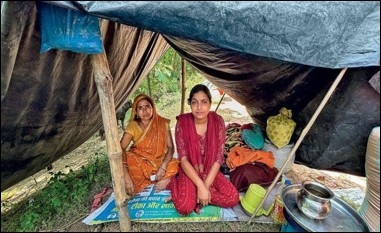
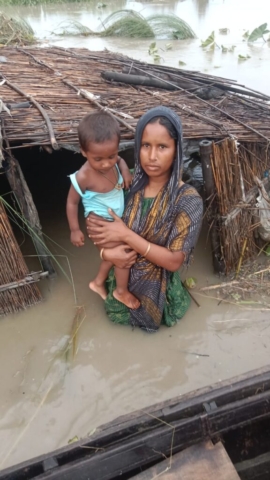
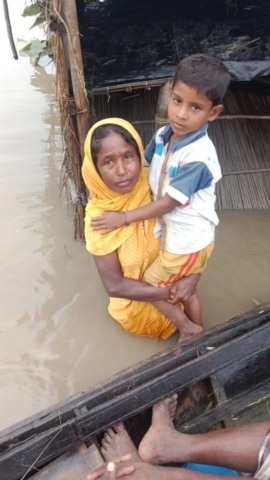
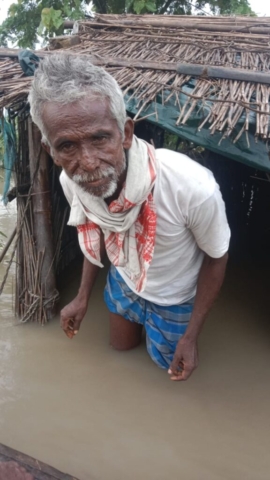
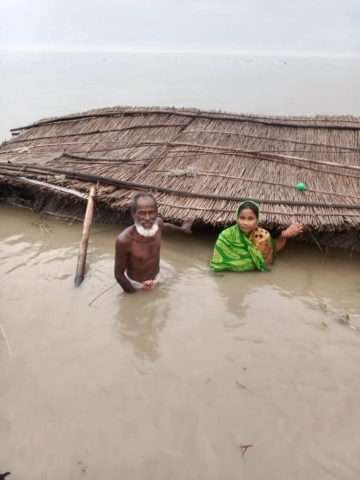
Even though the flood water has receded in parts of Assam, there is still a possibility that the flood water could once again proceed and cause destruction as there in still high alert in the Northern Assam region. We are waiting to see how the situation develops over the next few days and hope that the flood water does not proceed again.
The following are the findings of a survey conducted by the staff and volunteers of The Muneer Social Welfare Society in areas where Muneer implements its projects.
The survey covered Sivasagar, Barpeta, and Bongaigaon districts in Assam. Most people living in these low-lying areas were evacuated in time; however, their homes, properties, livestock, vehicles, and agricultural land suffered extensive damage. Many houses were either completely or partially destroyed by the floodwaters. Several families also lost vehicles used for farming and transportation, as the strong flow of water washed away cars, trucks, and other vehicles. According to the findings of our survey, approximately 1,140 mud houses were completely destroyed, while 1,364 houses were partially damaged. Hundreds of livestock and domestic animals, including poultry, goats, and cattle, were also washed away or died as a result of prolonged exposure to floodwaters. Overall, approximately 5,270 families were affected by the floods in the surveyed areas. Government-built roads and other public infrastructure also suffered significant damage. In several locations, floodwaters reached heights of approximately 10 feet, submerging the entire ground floors of houses and, in some cases, reaching close to the first floors. This caused extensive damage to roads, bridges, homes, transportation networks, and other essential infrastructure. Agricultural land was also severely affected. Floodwaters entering agricultural fields from overflowing rivers not only destroyed standing crops but also washed away fertile topsoil and essential nutrients. In addition, the floodwaters carried debris, waste, and contaminated materials from destroyed houses, poultry facilities, livestock shelters, and vehicles into agricultural areas. This has significantly reduced the productivity of the affected farmland and may have long-term consequences for the livelihoods of farming communities. The findings of the survey demonstrate the extensive humanitarian, economic, agricultural, and infrastructural impact of the floods on vulnerable communities. The affected families require immediate humanitarian assistance, followed by longer-term support for housing rehabilitation, livelihood recovery, agricultural restoration, livestock replacement, and the reconstruction of essential community infrastructure.
1. Activities and estimated beneficiaries:
To ensure all those affected by loss of income source are adequately nourished
- Secure food support
- Identify suppliers and transportation
- Register beneficiaries
- Establish distribution points
- Take permission from the government to approach and provide relief to the needy.
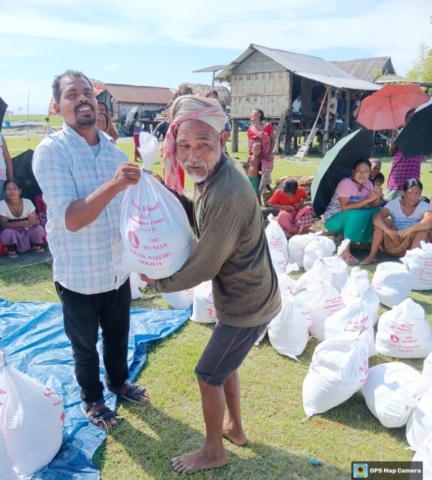
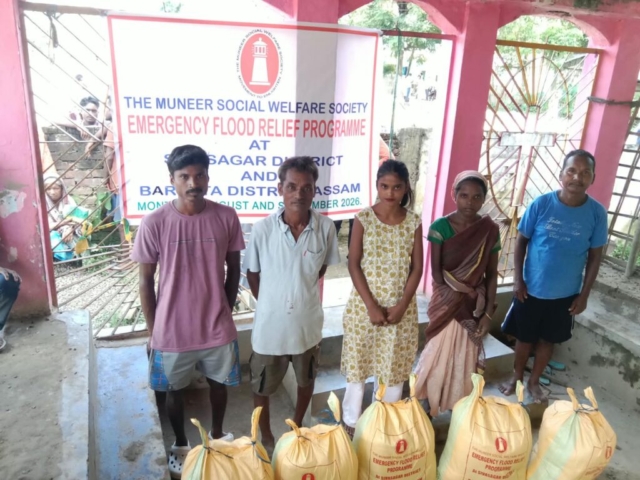
- Begin distribution – one-time distribution to be conducted for a month’s ration
One-time distribution for 1000 families. Dry rations will be purchased locally in respective areas/local wholesale markets. Following items will be distributed in relief program:
Family Survival Kits –
- 10 kg Rice
- 5 Kg Flour
- 2 Kg Pulses
- 1 Packet Soya bean
- 1 Packe Semolina
- 1 Litre Mustard Oil
- 1 Kg Sugar
- 5 Kg Potato
Personal Hygiene Kits –
consisting of Saree, Lungi, Mosquito Net, Bath Soap & Detergent.
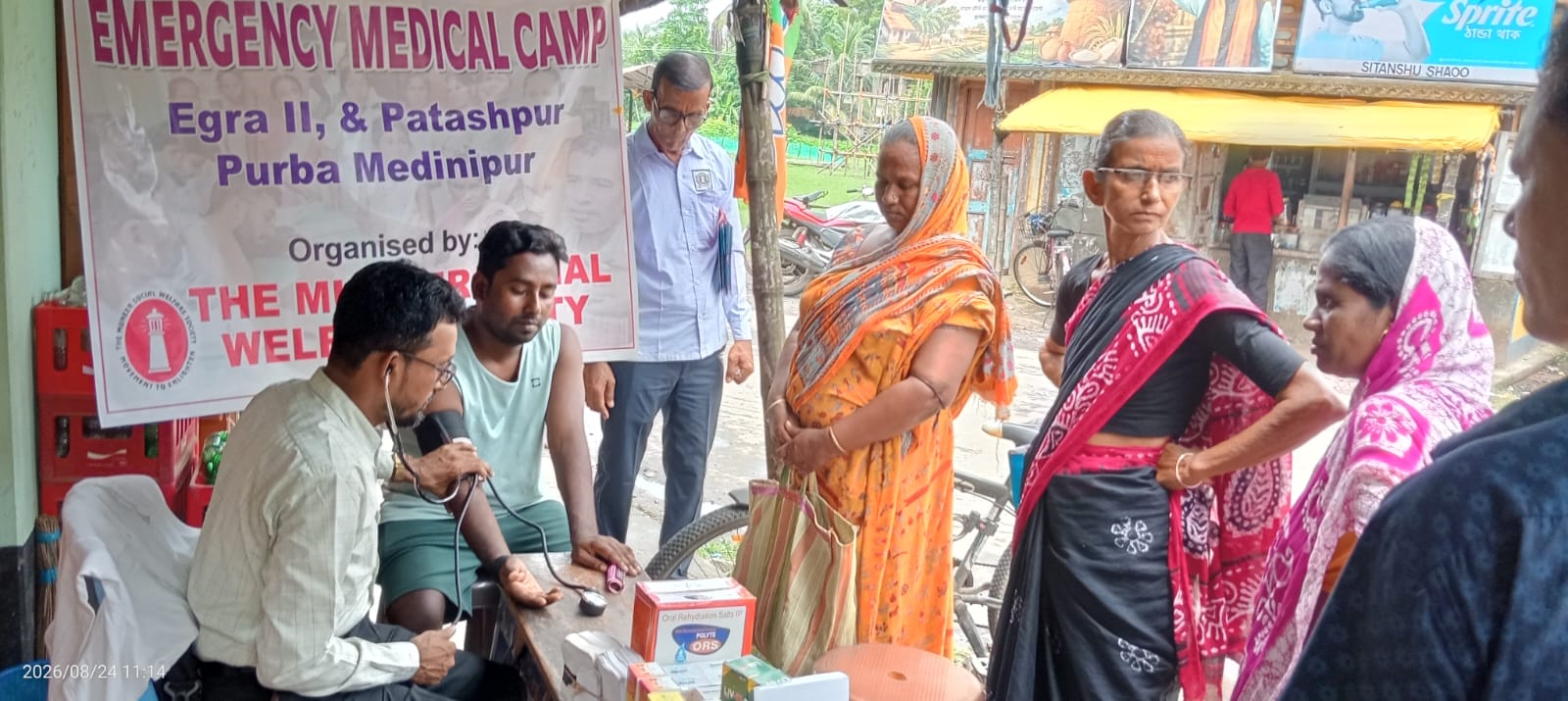
Healthcare Relief –
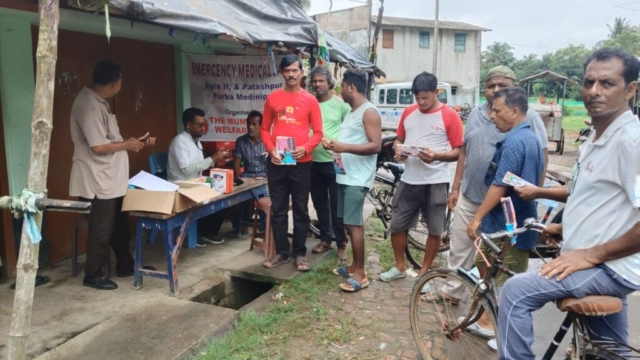
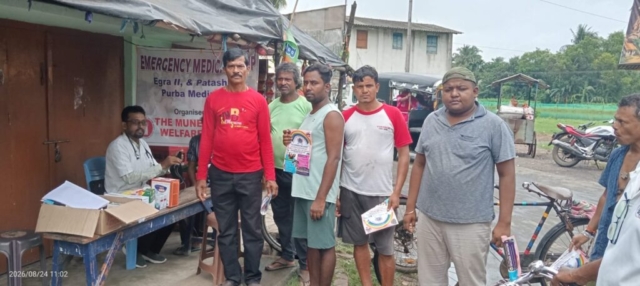
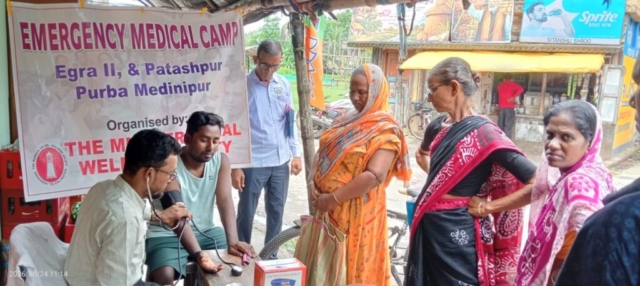
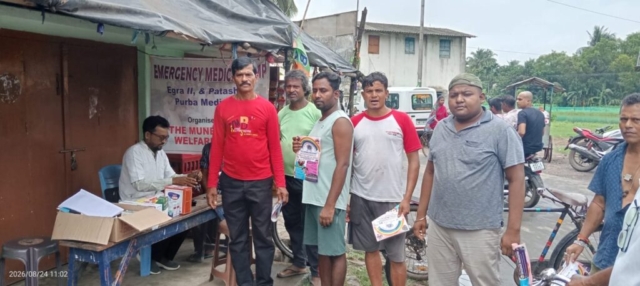
Health Check-ups and provision of free medicines for people suffering from communicable and non-communicable diseases and spraying of disinfectant in waterlogged area.
Flood Relief Distribution
Relief assistance and distribution activities for flood-affected communities.





Healthcare Relief
Emergency Medical Camp
Help Rebuild Elder lives in ASSAM!
Help Flood-Affected Families Rebuild Their Lives
Thousands of flood-affected families urgently need food, hygiene supplies, healthcare assistance and support to rebuild their lives after losing homes, crops, livestock and sources of livelihood.
Your contribution can help The Muneer Social Welfare Society provide essential humanitarian assistance to people facing this difficult situation.
Every contribution can make a meaningful difference.
Donate NowFrequently Asked Questions
1. How can I donate to your organization?
Please click on the following link where you can select your preferred mode of contribution.
2. Will I get a tax exemption for my donation?
Yes, you will receive a 50% tax reduction certificate under Section 80G, which will be sent to your registered email address or postal address.
3. Do you accept donations in cash or in kind?
Yes, we do accept donations in cash. However, if you like to avail of tax exemption for your donation, you can only contribute Rs 2000 cash in a financial year.
4. What if I misplace my donation receipt?
Please write to msws1992@gmail.com for a duplicate receipt mentioning your donation details.
5. Where is my money spent?
Through your generous support, we are able to provide timely humanitarian assistance and strengthen the resilience of vulnerable communities across India through Flood Relief, Healthcare and Medical Camps, Safe Drinking Water, Blanket Distribution, Community Empowerment, and Disaster Mitigation initiatives.
6. How to contact if I have any queries?
For general enquiries, please write to msws1992@gmail.com
Or you can visit the office - B-20, 2nd Floor, West Patel Nagar, Central Delhi, Delhi-110008